In this guide
The short answer
Create a repeatable practice routine: prepare the space, choose a manageable session, use the same reading process, and review one useful lesson afterward. Treat this as preparation for exam nerves, not a promise to remove anxiety or predict your result.
Separate the concerns you can prepare for
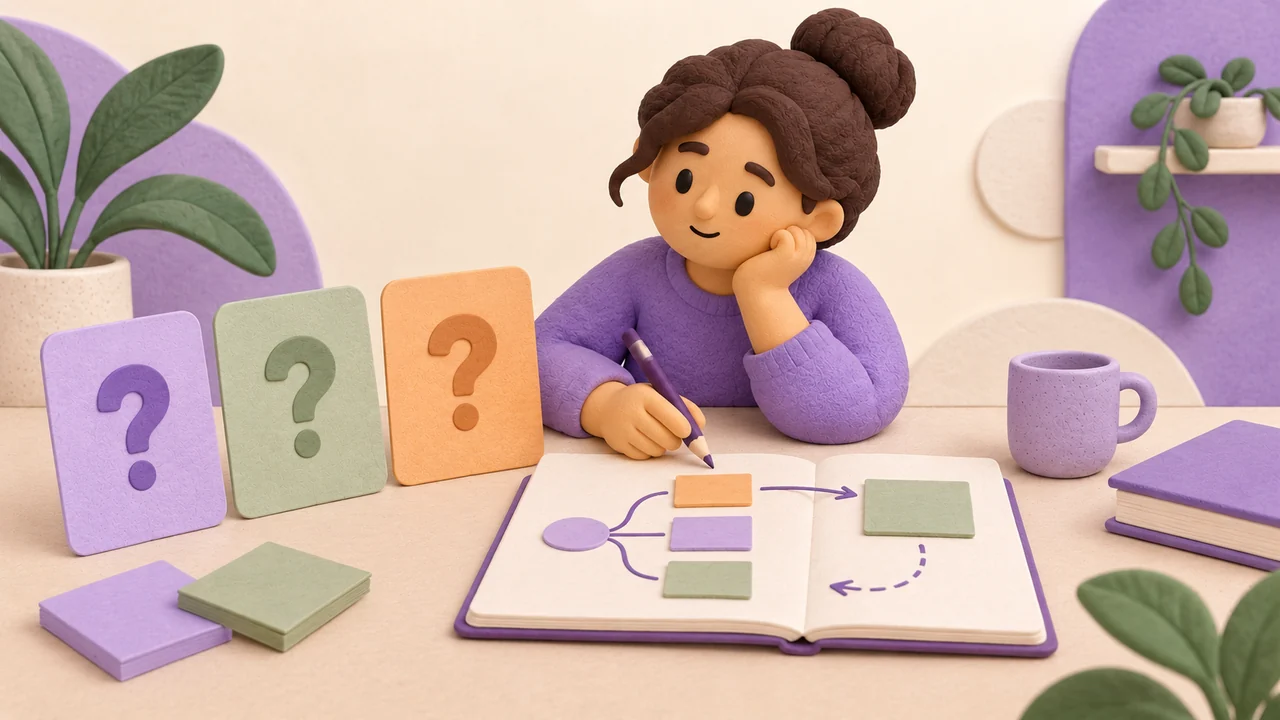
Exam nerves can involve several different worries: unfamiliar content, time pressure, a confusing screen, or uncertainty about the appointment. Write down the practical concern rather than putting everything under I’m not ready. A specific concern gives you something you can investigate or rehearse.
For example, concern about the timer calls for a manageable timed block and a pacing review. Concern about the testing setup calls for reading the official delivery instructions. A topic you can’t explain needs learning time. These problems may appear together, but treating them separately can make the next action easier to choose.
Make the start familiar
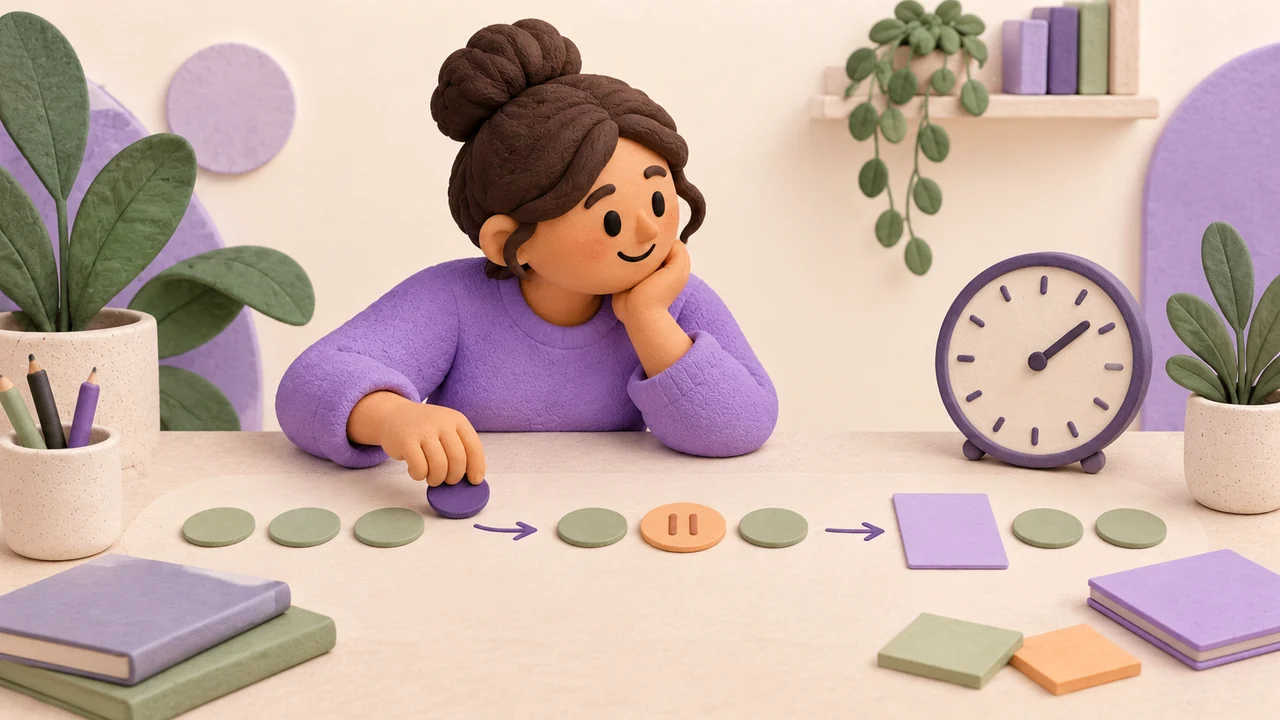
Use a short preparation routine before practice. Put unrelated tabs away, check that you understand the session’s rules, and decide what you’re observing. You might focus on reading carefully or maintaining pace, rather than expecting every attempt to prove complete readiness.
Begin with a session length you can approach thoughtfully. Practice the same sequence several times before adding more work. The goal is to reduce avoidable surprises in your practice setup. It doesn’t require a perfect room, a particular ritual, or a claim that routine alone changes how you’ll feel on exam day.
- Choose the session and understand its rules.
- Remove distractions you can reasonably control.
- Set one observation goal for the attempt.
- Reserve a short review period before you begin.
Rehearse a reset after a difficult question
A difficult question can follow you into the next one. Practice noticing that moment and returning to the current decision. Read the new situation, identify the question being asked, and find one concrete fact to guide your comparison. You don’t need to settle the whole exam in your head before answering the next item.
Try this exercise with five original practice questions. After each answer, briefly put the previous choice aside and summarize the next question’s decision before choosing. If you’re uncertain, record it for review where the session allows that. Keep the exercise focused on returning attention to the work, rather than demanding that you feel confident every time.
Review without turning the score into a verdict
After practice, name one thing you handled well and one decision to improve. Keep both specific. I identified the safety constraint is useful. I’m good at PMP is too broad. I confused a future risk with an existing issue gives you a learning task. I’ll never understand this does not.
Include correct guesses and moments when you rushed. Choose a small follow-up exercise and schedule it. Tirtle’s short practice and explanations can offer a place for this routine, alongside your wider study materials. A practice result describes that attempt. It doesn’t define your ability or guarantee what happens in the official exam.
Prepare the logistics and build up gradually
As your routine becomes familiar, try longer timed sessions and inspect where your concentration or pace changes. Keep some untimed learning too. A concept that needs attention is easier to identify when every session isn’t also a timing challenge.
Check official instructions for identification, the chosen delivery option, and the current break structure before your appointment. If you need exam accommodations, review PMI’s current accommodation process early enough to understand the next steps. Keep your preparation notes simple: what is confirmed, what still needs checking, and what you’ll practice next. That leaves fewer practical questions competing for attention when you sit down to work.
Your next step
Make the setup familiar, practice returning to the current question, and leave each session with one clear next action. A useful routine supports preparation without promising a particular feeling or result.
Sources and further reading
Use these sources for the full context and current guidance.
- Project Management InstituteCertification resources and handbook
- Project Management InstitutePMP certification and current exam information